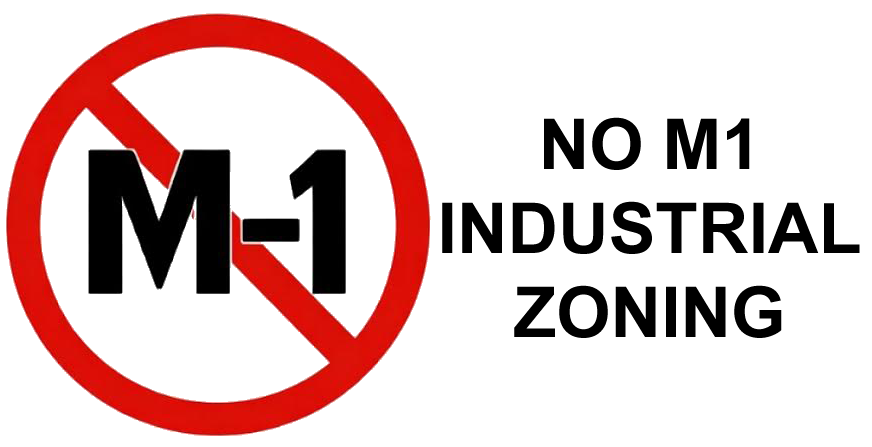
Land Use Shift
Industrial-scale facilities may change how nearby land is used, planned, and valued for years to come.
Urgent Community Alert
This proposal moves fast. Residents should review concerns, ask for enforceable terms, and contact officials before votes are final.
Civic Briefing
Gardner and Spring Hill residents deserve binding commitments in writing before a hyperscale data center permanently changes the community.
300-acre industrial campus
~50 full-time jobs
Up to 16 data halls
Meeting timeline: May 4 -> May 26
If commitments are not enforceable before the vote, residents carry the risk.
Issue Summary
A large data center development may affect land use, utilities, noise, water demand, traffic, infrastructure, and nearby homes. Residents deserve answers about potential impacts before any approval is finalized.
What This Can Look Like
This is an example of the industrial scale communities are evaluating. Facilities like this can run continuously and include extensive cooling equipment, backup power systems, and secured service areas.
Residents are asking for clear details on noise, utility use, traffic patterns, emergency planning, and long-term land-use impacts before any local approvals move forward.
Industrial-scale facilities may change how nearby land is used, planned, and valued for years to come.
Large data operations may affect local electricity and water systems, especially during peak demand periods.
Backup generators, cooling equipment, and service traffic can create ongoing concerns for nearby residents.
Road capacity, emergency response access, and public utility upgrades may require closer public review.
Why This Matters
Roughly 50 full-time roles on 300 acres is a weak return for land this valuable.
"Expected to become" is not the same thing as a binding guarantee.
Across the country, grid upgrades tied to data centers are showing up in ordinary electric bills.
Once a 300-acre hyperscale campus is approved, the surrounding area does not go back.
Concern 01
About 50 full-time jobs on 300 acres is an underwhelming return for one of the largest private infrastructure proposals in Johnson County history.
Beale leads with job creation, but the ratio is weak. A housing development, commercial corridor, or manufacturing facility on the same land would likely put far more people to work. Data centers are capital-intensive, not labor-intensive, and recent research has questioned whether they meaningfully stimulate local tech employment.
Concern 02
Big future tax numbers depend on full buildout, across up to 16 data halls, on a timeline the public cannot rely on.
Expected to become is not a contract.
The community absorbs disruption immediately while the promised payoff may take years or decades. "Expected to become" is not a contract. If tax incentives or abatements are involved, residents need to know exactly who benefits, when benefits arrive, and what happens if the project never reaches full buildout.
Concern 03
Data center expansion is already being connected to higher power costs and grid upgrade expenses in other states.
Northern Virginia: wholesale electricity prices in high data-center areas reportedly jumped sharply over five years.
Several states: grid connection costs and upgrades have been passed through to consumers.
Hillsboro, Oregon: residential ratepayers saw larger increases while major industrial users received more favorable treatment.
Nationwide: residential electricity costs have climbed in recent years while utilities seek major rate increases.
The pattern is simple: the data center gets built, the company negotiates power, and ordinary households can end up paying for the grid stress.
Concern 04
Comparing daily water use to restaurants hides the impact of phased buildout and concentrated industrial demand.
Beale's 15,000 to 20,000 gallons per day estimate is framed to sound harmless, but residents should ask whether that number is per phase, what full buildout requires, how peak demand is handled, and what fire suppression and infrastructure needs look like across a 16-hall campus.
Concern 05
Berms, sound walls, acoustic treatment, and shielded lighting are design intentions unless they are written into binding conditions.
Terms like "where needed" leave too much room for interpretation. Residents need enforceable noise limits, lighting standards, monitoring requirements, penalties, and complaint processes before approval.
Concern 06
A 300-acre hyperscale industrial campus permanently changes rural character, viewsheds, noise, and surrounding development pressure.
The rezoning decision matters because the land use shift is effectively permanent. The community should not approve a project of this scale without understanding how it affects nearby homes, roads, property values, and future development patterns.
Concern 07
Community engagement and sustainability pages are self-written promises until they become enforceable public commitments.
Responsible development language sounds good, but the project is still early. None of the promised benefits exist yet. None of the mitigation has been tested. The developer profits from approval, so residents should demand independent review and binding terms.
Myth
Fact
Modern facilities can reduce noise, but fan systems, cooling units, and emergency generators may still be heard by nearby neighborhoods.
Myth
Fact
Water use varies by design and climate. Residents deserve clear figures on proposed cooling methods and peak seasonal demand.
Myth
Fact
Data centers are specialized industrial operations with different utility, infrastructure, and land-use impacts than a typical office building.
Children are not small adults. Their lungs, brains, and cardiovascular systems are still developing, which can make industrial emissions and constant noise more harmful over time.
Diesel PM2.5 from monthly generator testing is associated with asthma, reduced lung capacity, and increased ER visits in children. These impacts can last a lifetime.
Research links air pollution near schools to measurable reductions in cognitive function and lower test scores. Children's developing brains are uniquely vulnerable.
Industrial pollution can elevate blood pressure in children. Continuous 65-85 dB noise is linked to reading delays, attention deficits, and chronic stress in school-age kids.
Understanding the Impact
Rural or undeveloped-looking land can still be surrounded by families, neighborhoods, schools, roads, farms, and long-term community plans.
Responsible land use means reviewing potential industrial impacts in the real context of existing communities, not just by what appears vacant on a parcel map.
Residents deserve clear planning documents, complete timelines, and transparent review.
Timeline
Next event:
May 4, 2026
City Council Meeting
May 4, 2026
May 13, 2026
Beale Infrastructure In Person Meeting
May 13, 2026
May 15, 2026
Beale Infrastructure Online Meeting
May 15, 2026
May 18, 2026
City Council Meeting
May 18, 2026
May 26, 2026
Planning Committee Meeting
May 26, 2026
Click any meeting title above for full details. If any timeline details change, please contact us so updates can be posted quickly.
Timeline Details
City Council Meeting
May 4, 2026
Beale Infrastructure In Person Meeting
May 13, 2026
Beale Infrastructure Online Meeting
May 15, 2026
City Council Meeting
May 18, 2026
Planning Committee Meeting
May 26, 2026
Accountability Terms
Resources + Accountability
Residents are asking for a clear record of previous projects, timelines, public commitments, and independent sources.
Investigative reporting on how rapid data center growth can strain water systems and electric grids, while local communities push for stronger transparency and oversight.
Overview of community-level risks from hyperscale data centers, including noise, light, air pollution, water demand, and utility cost impacts.
Compare developer claims against enforceable conditions, build timelines, and public documentation.
Read developer project page ->
Take Action
Attend the city council meeting , ask informed questions, contact local representatives, and share verified information with neighbors.